
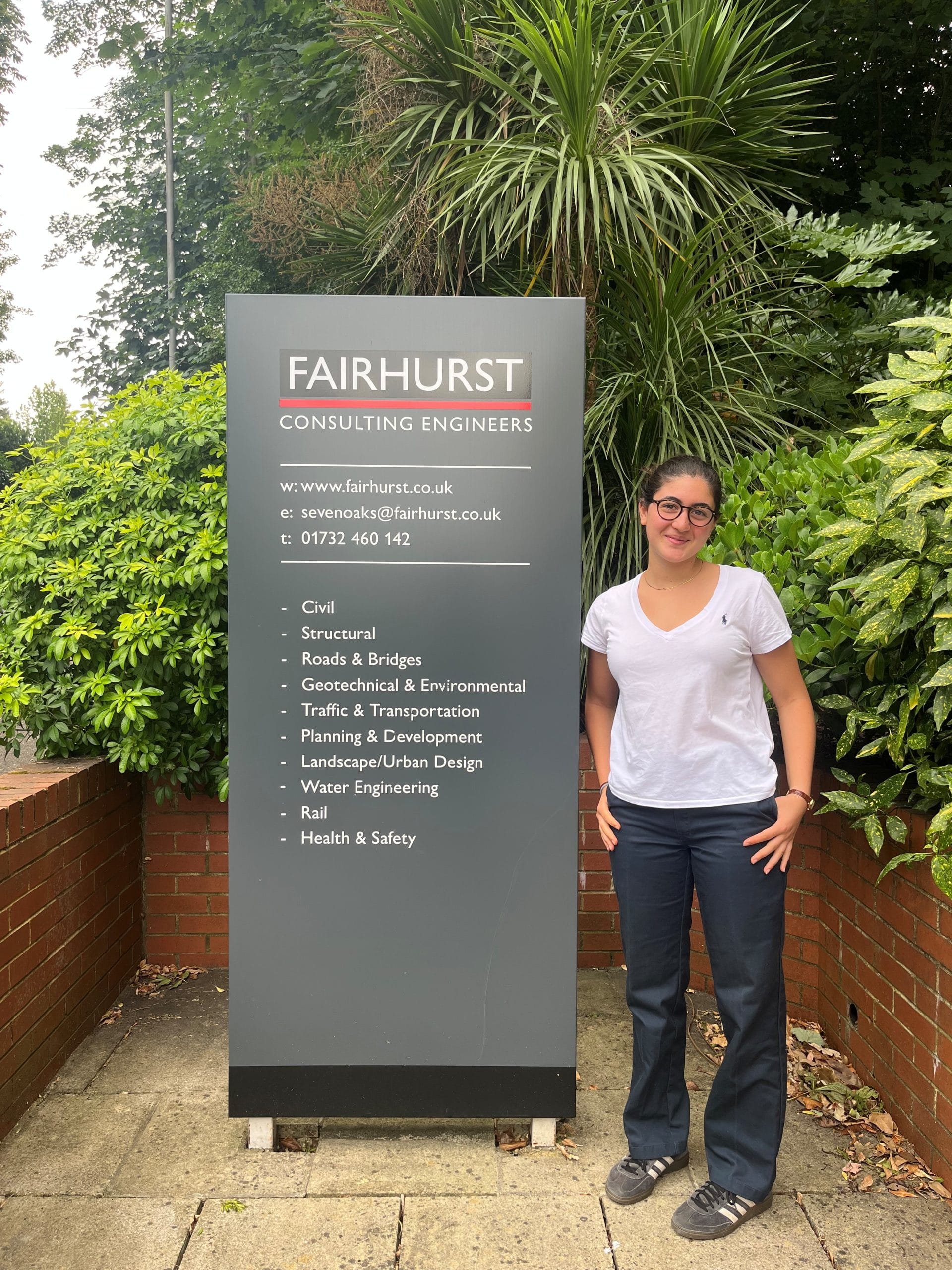
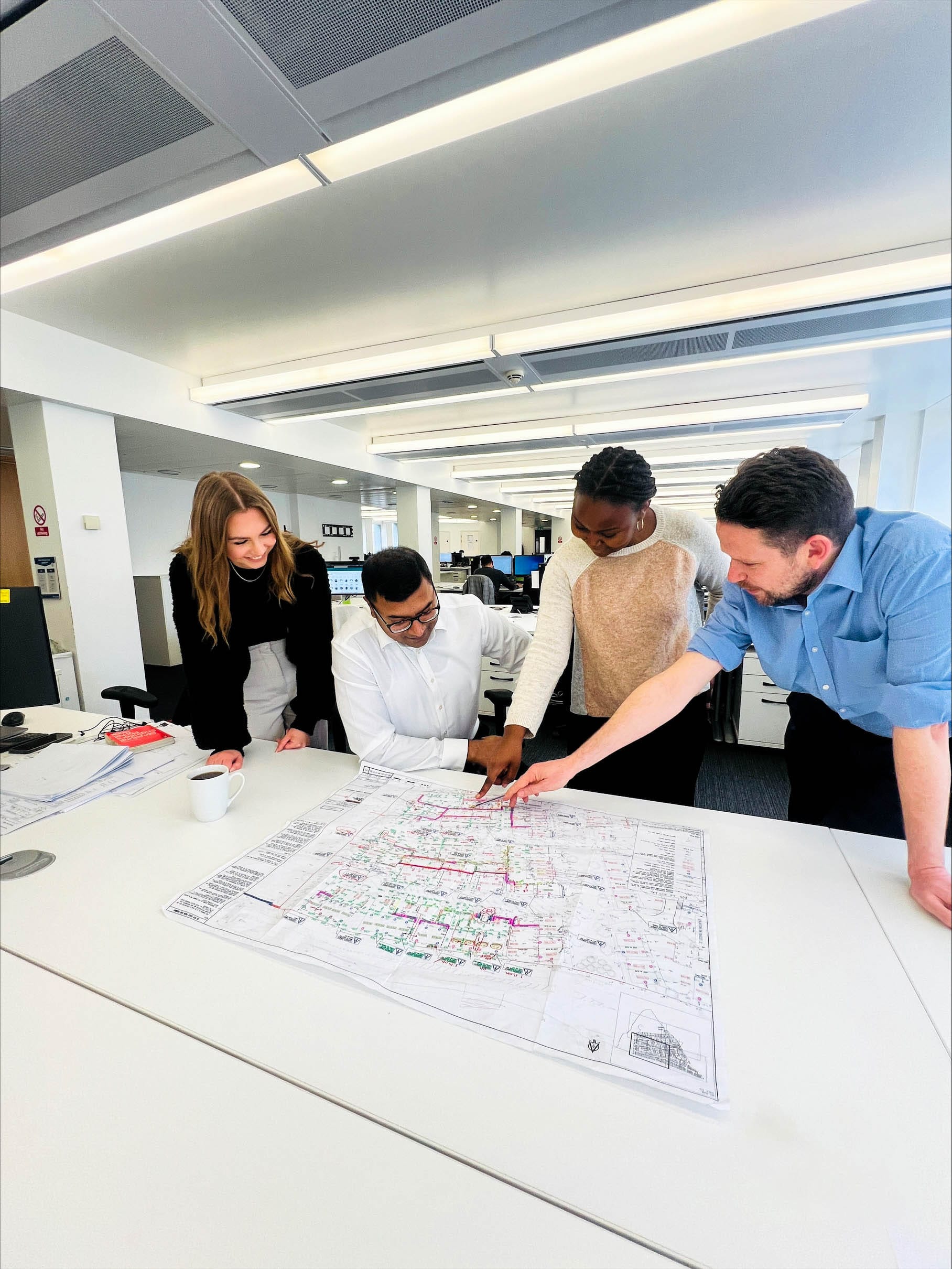
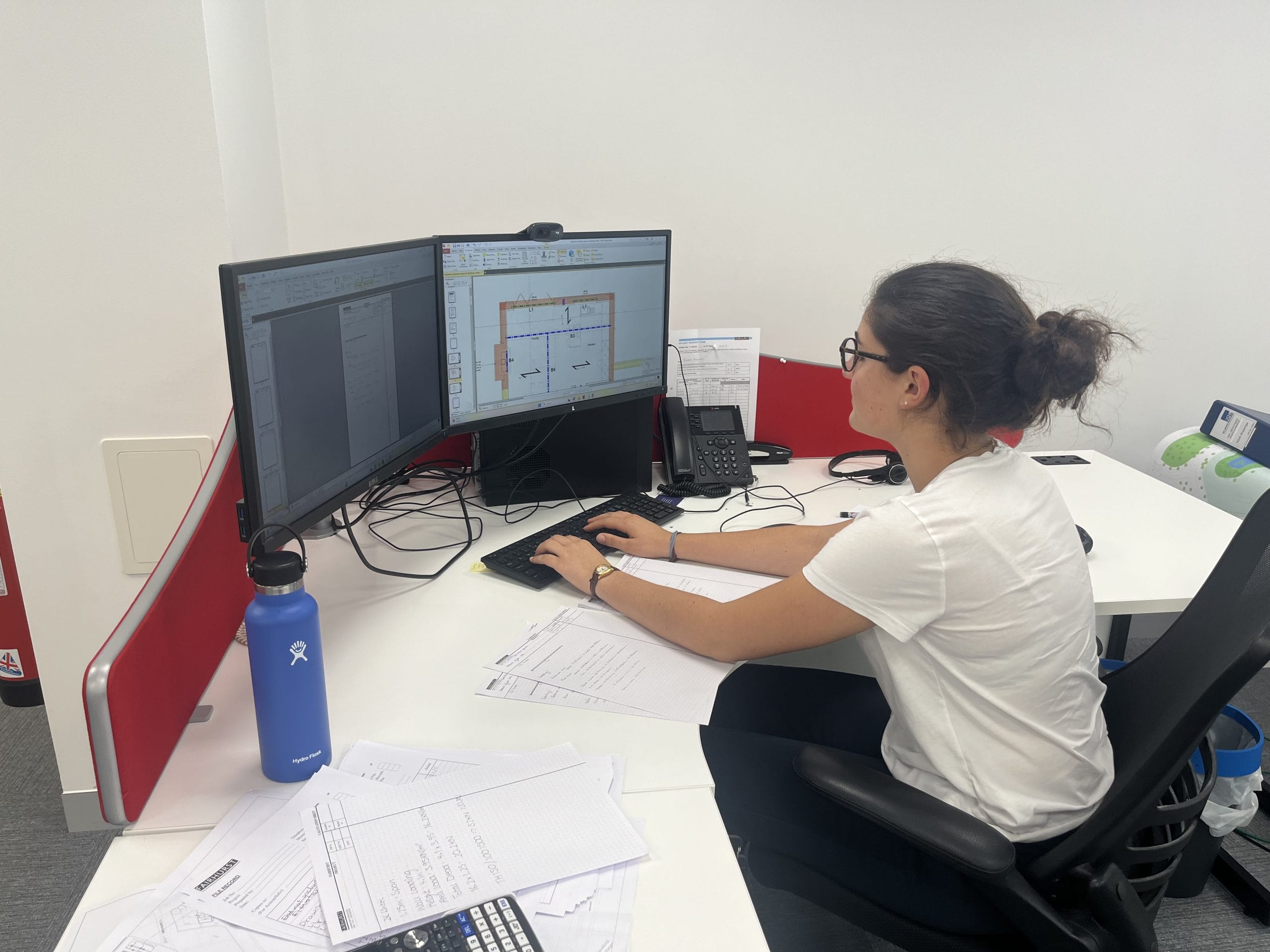
When Alice joined us for her high school work experience placement, she had a fairly clear idea of what engineering work might look like. Like many students, she expected routine tasks, intimidating software, and a rigid corporate atmosphere.

What she discovered was something quite different.

Over the course of her placement at Fairhurst, Alice worked with our civil and structural engineering teams, gaining hands-on experience with calculations, drawings, reports and engineering software. We caught up with her afterwards to find out what surprised her most at her first work experience placement.

Exposure to real engineering work from day one:

 Before starting her placement, Alice assumed she would spend much of her time carrying out routine administrative tasks. Instead, she was given opportunities to experience a broad range of day-to-day engineering activities in the office.

“I was positively surprised by the variety of work I got involved in. The team made an effort to expose me to different aspects of their roles, including calculations, drawings and reports.”

She was also surprised how approachable everyone at the Fairhurst office was when learning new skills.

“I was initially nervous about using unfamiliar software like AutoCAD and Tekla Tedds, but the supportive engineers made it easier to understand and contribute from the start.”


The people: focused, supportive and always willing to help

One of Alice’s biggest surprises was the level of focus she encountered where everyone was committed to their projects and responsibilities.

“The office felt like a true working environment: quiet, goal-oriented, with everyone clearly accountable for their tasks.”

However, what initially seemed like a quiet workplace soon revealed itself to be highly collaborative.

“I quickly noticed constant desk-to-desk advice, work checking and a culture where asking experienced colleagues was encouraged.”
The work: more complex than it appears

 Engineering work may not always look fast-paced from the outside, but Alice quickly noticed the constant level of concentration and productivity required.

“Although it is a desk-based environment, there is a constant sense of productivity, evident in the rapid typing, mouse clicking and continuous focus of the engineers.”

One thing that particularly stood out was the sheer scale of information managed across projects.

 “The digital file system contained years’ worth of projects, including detailed drawings, architectural plans and calculations.”

For Alice, this highlighted the long-term nature of civil and structural engineering work and the importance of record-keeping in the industry.


The industry: calculations, standards and attention to detail

 Before her placement, Alice imagined engineers spending much of their time in meetings or speaking directly with clients. She soon discovered that communication happens in different ways.

“I had assumed there would be more face-to-face client interaction, but most communication is conducted through detailed emails, annotated drawings and comments.”

Another surprise was how much engineering still relies on the mathematic fundamentals despite having access to advanced technology.

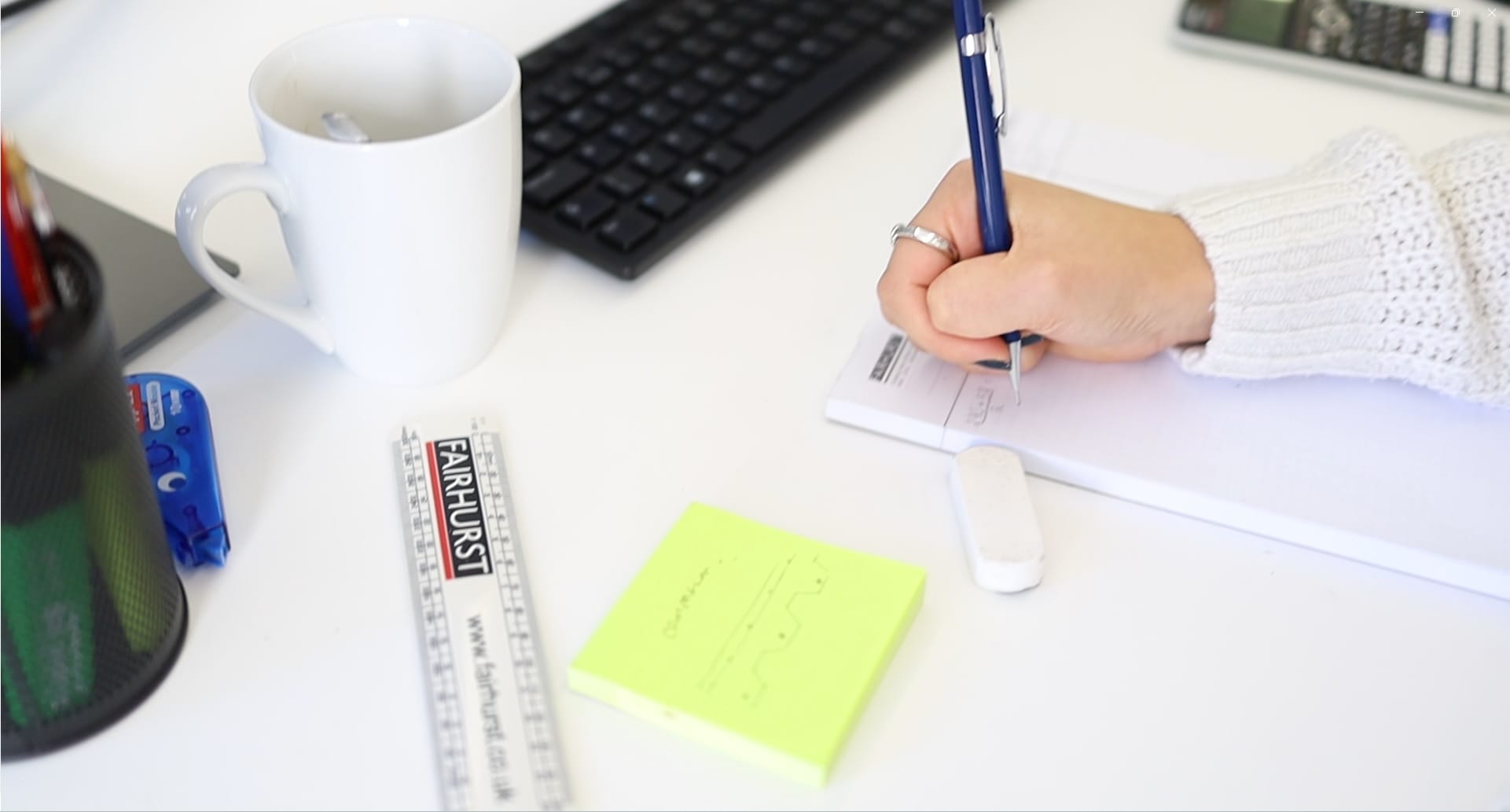
“I was surprised by how much engineers still rely on manual calculations, despite having software like AutoCAD and Tekla Tedds.”


Office life: independence comes with responsibility

For many students, moving from education into a workplace environment can be a big adjustment. Alice found the biggest difference was the level of independence expected.

“Unlike school, where guidance is constant, I was expected to attempt tasks independently before seeking help.”

While challenging at first, she found this approach encouraged problem-solving, accountability and confidence.


Within herself: discovering new strengths

Alongside learning about engineering, Alice learned a great deal about herself.

“What surprised me most about myself was how adaptable I was to different tasks and how much I enjoyed carrying out calculations by hand.”

After gaining exposure to the new software, she also found that it was less intimidating than she imagined and gained further confidence to keep learning.


After the placement: More insight into engineering

 Reflecting on her experience, Alice says the placement gave her a much clearer understanding of what engineers actually do day to day.

“Being an engineer involves applying calculations and technical knowledge to develop practical solutions.”

For students considering a career in engineering, she believes there is no substitute for seeing the profession first-hand.

“I would strongly recommend a placement to other students, as it provides real insight into how the industry operates and helps determine whether it suits your interests.”


Her final takeaway is simple: work experience challenges assumptions, provides valuable practical skills and gives a much more accurate picture of the profession than any classroom ever could.

For anyone considering a future in engineering, spending time in a real workplace might be the most valuable lesson of all.

Latest News