Carol’s Path to Partnership: 9 Lessons in Leadership, Collaboration, and Determination

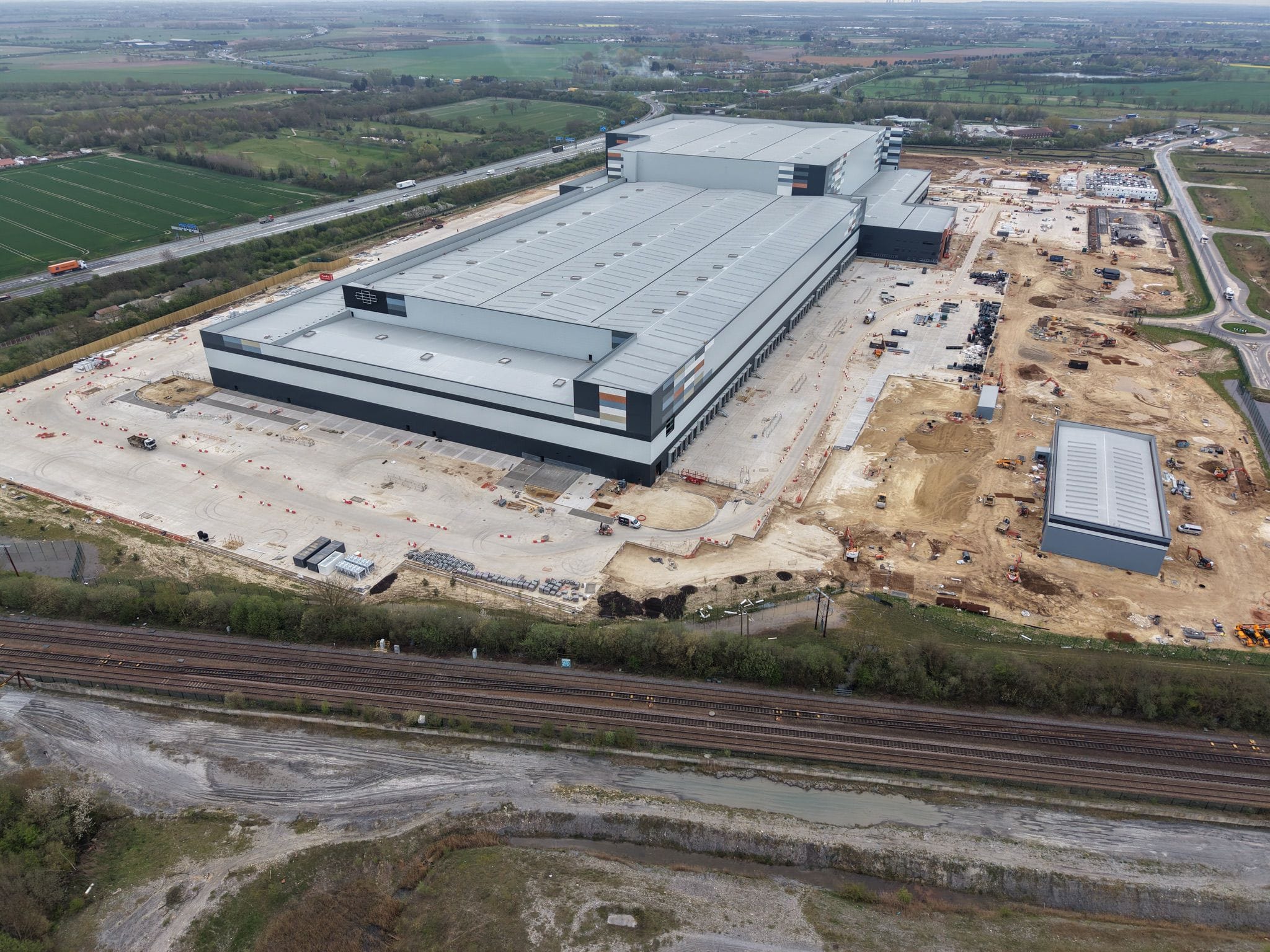
Fairhurst is proud to be supporting the delivery of another new major Regional Distribution Centre (RDC) in Doncaster for TJ Morris, the company behind the Home Bargains retail brand. Fairhurst have been providing multidisciplinary engineering services covering civil, structural, and geo-environmental design at the site since 2021, when an initial site enabling contract, involving the upfilling of the RDC platform to lift it above floor level, and also to construct 1500 linear metres of new vole receptor, to compensate for habitat loss, was designed and tendered.
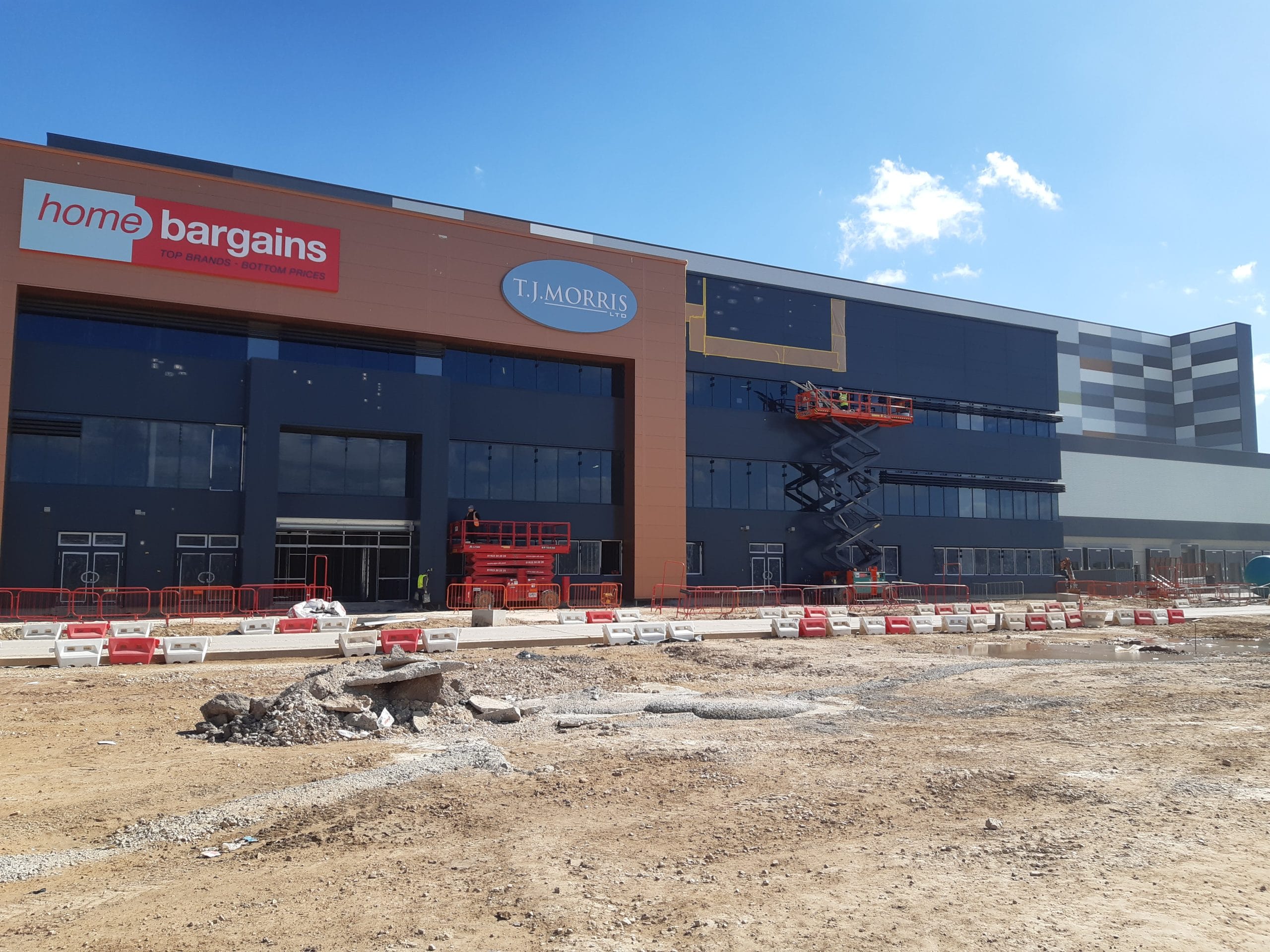
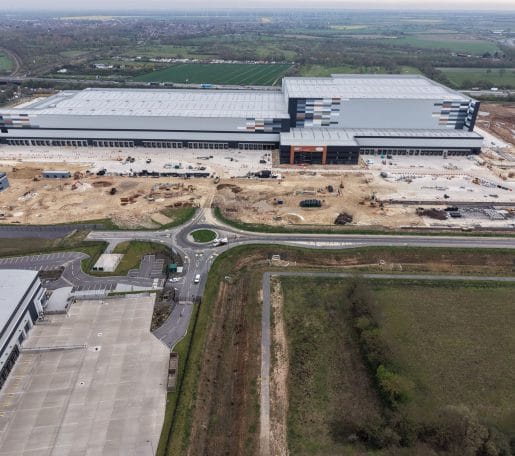
The RDC site covers approximately 30 hectares and on completion will accommodate circa 990,000 sq. ft. of warehouse storage and offices, a new vehicle maintenance unit, HGV yards, car parking and a Helipad. The building structure of the RDC comprises a hybrid steel frame, that utilises a combination of portalised frames, in plane roof braces and significant vertical bracing in high bay areas, to achieve stability. It is nearly 500 metres long and 170m wide, ranging in height from 40 to 22 metres, incorporating approximately 5,395 tonnes of steel, equating to around 55,789 linear metres of steel sections.
In its finished form it will house a ‘state of the art’ automated mechanical handling system supplied by a German specialist. Designing the projects foundations and slabs to cater for the installation of this system has presented significant co-ordination and engineering challenges for Fairhurst to overcome.
Investigations specified and managed by Fairhurst revealed Ground conditions to comprise Made Ground overlying alluvial deposits and variable sandstone, requiring a carefully coordinated and considered foundation strategy to be developed and see that the strict post construction settlement limits, required to meet the demands of the sophisticated mechanical handling and picking system, are met.
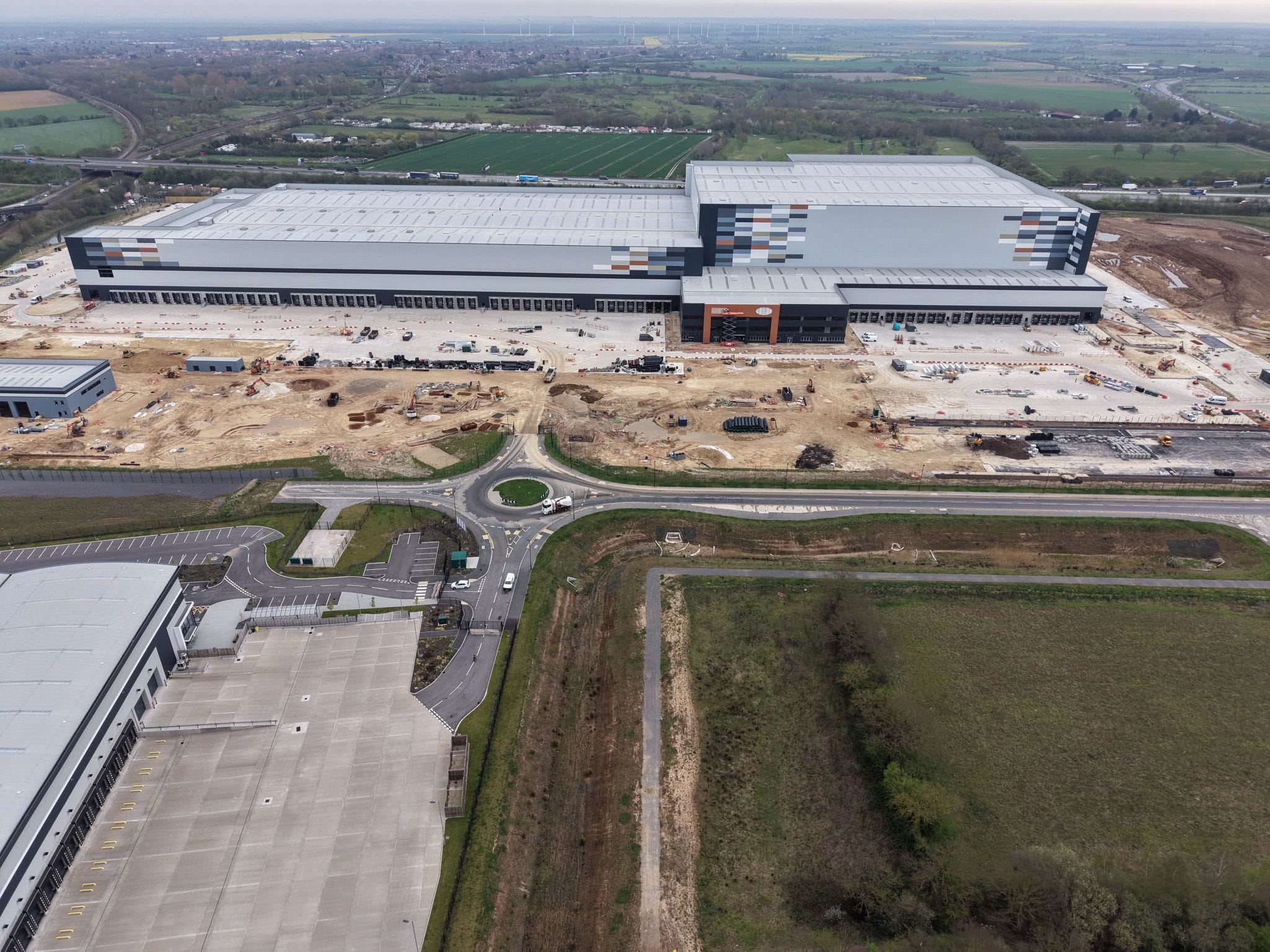
To address this, approximately 14,800 driven piles have been installed across the building footprint, including precast concrete under the majority of the suspended slab and structure and steel tube piles in those areas where very high tensile forces (generated by bracing of the high bay structure) needed to be resisted. In areas where less strict settlement criteria were defined, and to provide economy in the design 4,200 rigid inclusions were installed to support the warehouse slabs. Where interfaces between piled and ground improved zones exist, transition slabs are incorporated to accommodate differential movements between the two varying support systems.
This integrated approach—combining piling, rigid inclusions, and ground improvement—has enabled the creation of a stable working platform while effectively managing settlement across the site.
In parallel, the civil engineering team developed the external works design, including a pumped and attenuated storm water drainage system, site levels, and extensive HGV hardstanding areas.