Summary
As part of the LCRM process, a Phase 2 GI is a key step in progressing a site through planning, providing the data needed to move from risk identification to design and remediation.

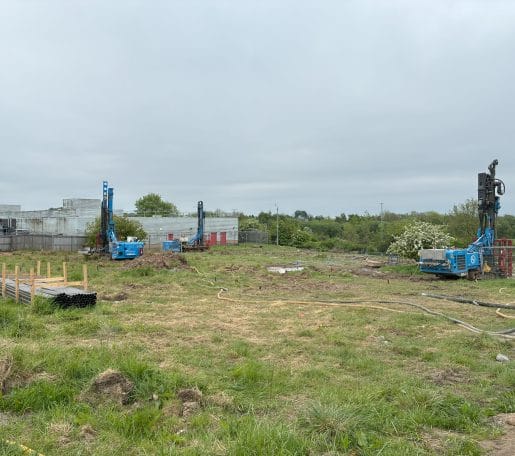
A Phase 2 Ground Investigation is an intrusive site assessment carried out to confirm ground conditions, geotechnical properties, and potential contamination risks.
Crucially, Phase 2 forms part of the Land Contamination Risk Management (LCRM) framework and is typically required to discharge planning conditions following a Phase 1 Desk Study.
Phase 2 reduces uncertainty and ensures that risks identified in Phase 1 are properly assessed and managed, allowing safe, compliant, and cost-effective development.
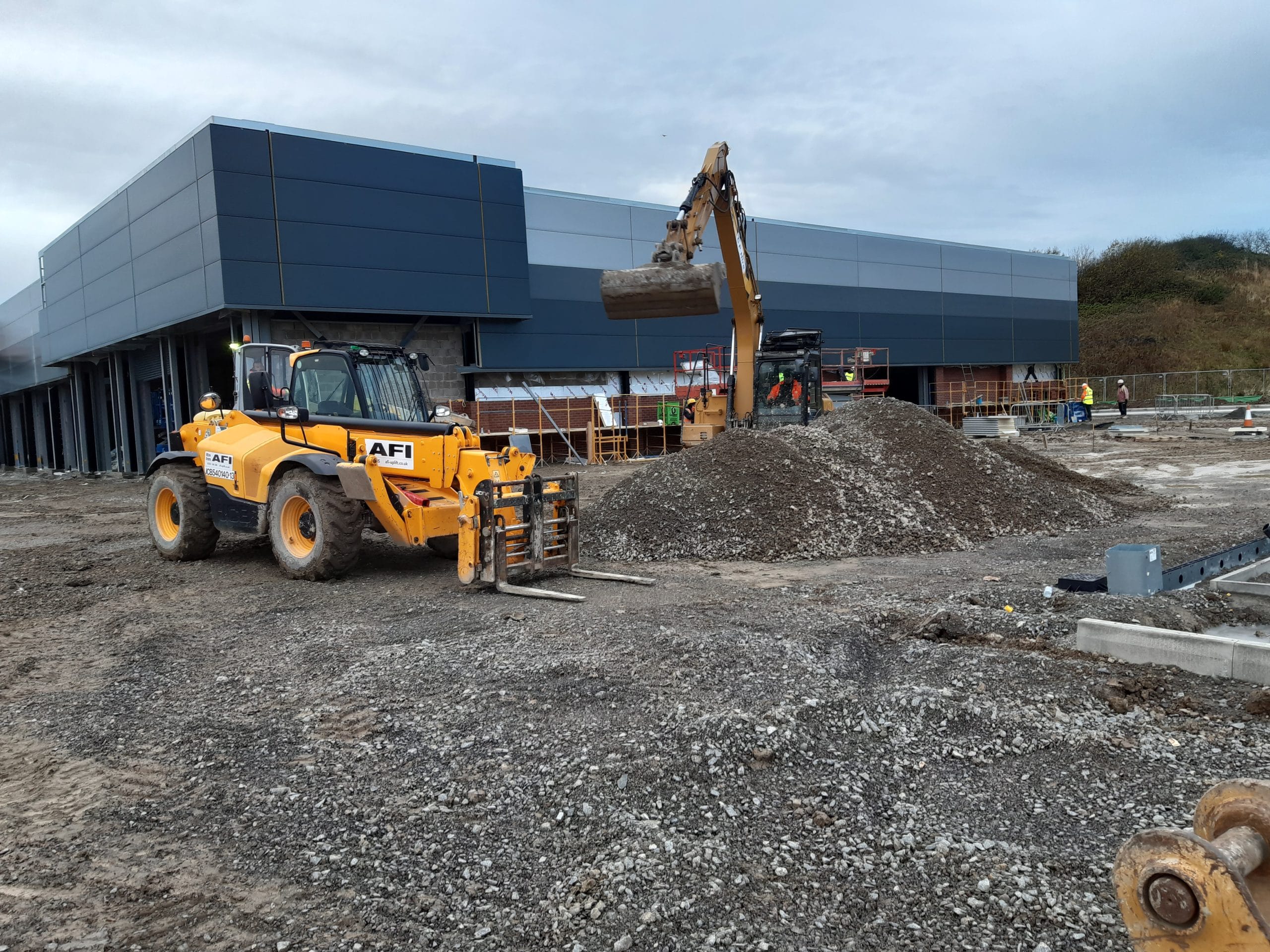
As part of the LCRM process, a Phase 2 GI is a key step in progressing a site through planning, providing the data needed to move from risk identification to design and remediation.


For any enquiries, please submit the form to get in touch with our team and let us know how we can help!
We will get back to you as soon as possible.