Summary
A Phase 2 Ground Investigation is a key step within the LCRM framework, providing intrusive, site-specific data to confirm ground conditions, assess risks, and support safe and informed development.

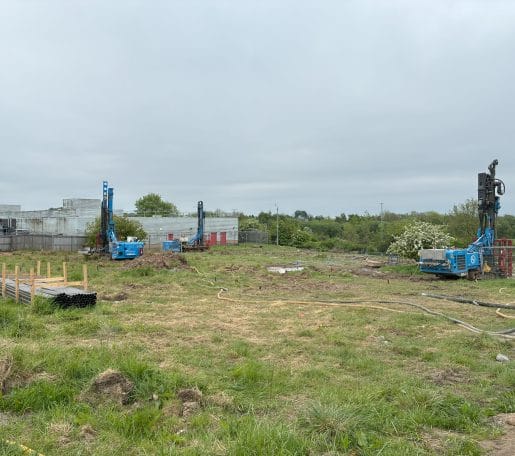
A Phase 2 Ground Investigation forms part of Stage 2 within the Land Contamination Risk Management (LCRM) process, following completion of a Phase 1 Desk Study and Risk Assessment.
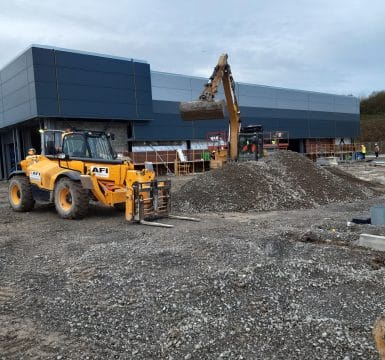
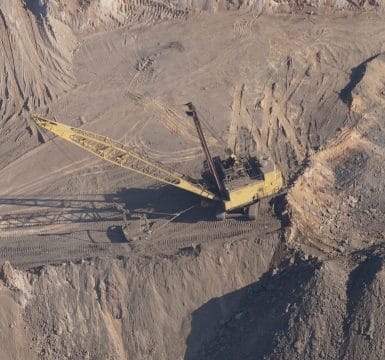
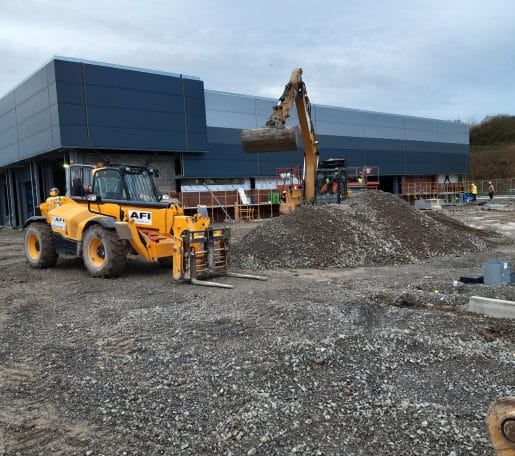
At this stage, intrusive investigation is undertaken to validate and refine the Conceptual Site Model (CSM) developed in Stage 1 by collecting site-specific ground and environmental data. This allows identified risks and pollutant linkages to be confirmed, revised, or ruled out, supporting progression through planning.
Phase 2 provides the factual evidence required to move from preliminary risk assessment to detailed evaluation. The results are used to:
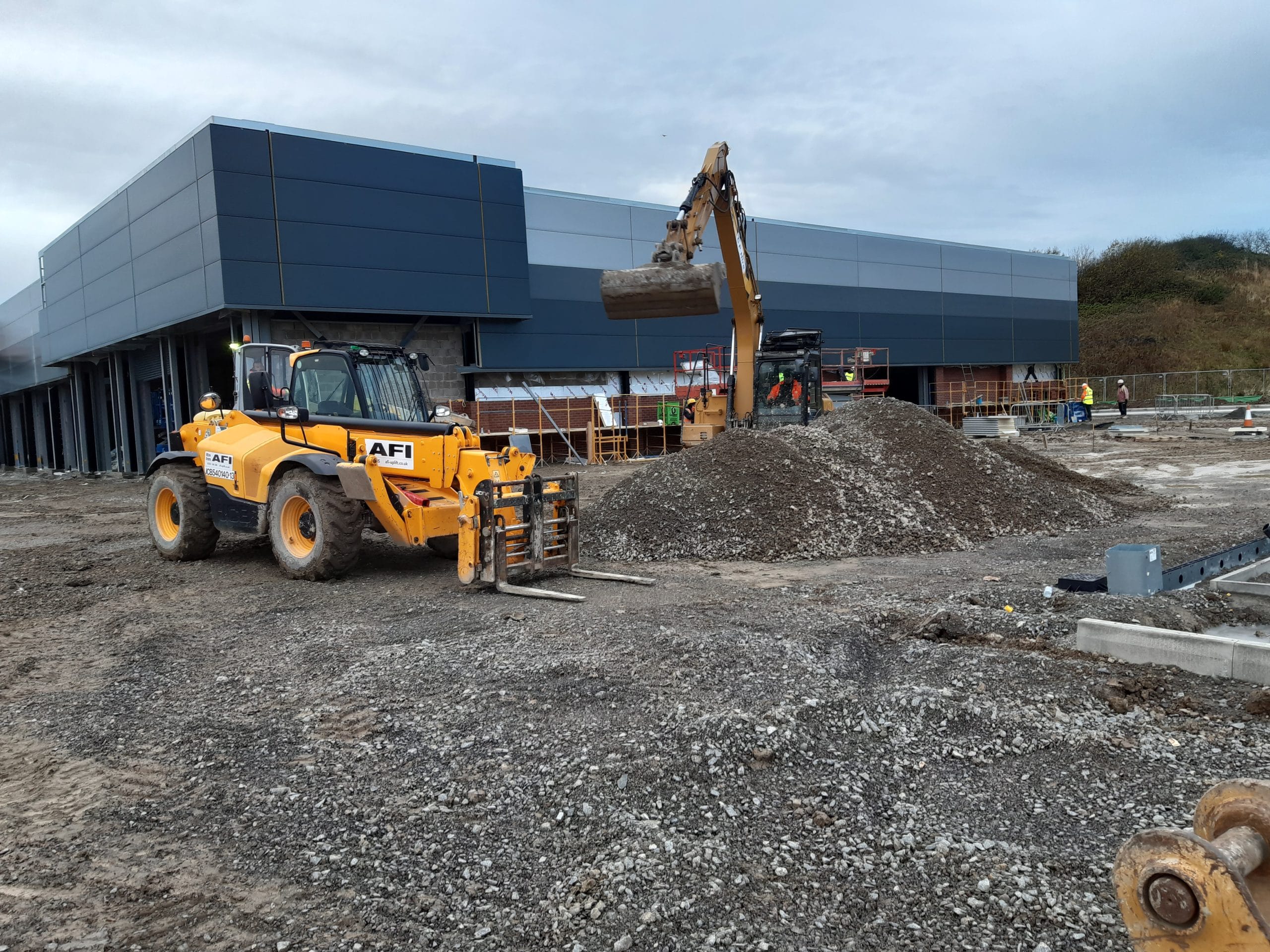
A Phase 2 Ground Investigation is a key step within the LCRM framework, providing intrusive, site-specific data to confirm ground conditions, assess risks, and support safe and informed development.


For any enquiries, please submit the form to get in touch with our team and let us know how we can help!
We will get back to you as soon as possible.